
The 2026 Candidate Tracker
What the 2026 candidates say — and what the members among them do
Every commitment in this tracker is quoted verbatim from the candidate's own campaign site, from a dated, hashed local capture — no paraphrase, no characterization. Where the candidate already serves in Congress, their official record (cosponsorships and key votes, every mark source-linked) sits beside their promises, pillar by pillar. Whether the record matches the promise is a judgment the tracker deliberately leaves to you.
The promise view of the accountability suite: the Tracker follows the bills, the Forces the players who move them, the Scorecard how members vote, and the Candidate Tracker what 2026 candidates promise.
20 candidate profiles 644 commitments captured 436 forward promises 11 with a congressional record
Freshness note: These quotations are historical captures, not confirmation of current candidacy or current positions. Dated campaign-status checks appear on individual profiles; unreviewed profiles are labeled. Historical candidacies remain available for comparison. Consult the dated source on each commitment. Coverage note: the tracker currently follows high-profile
2026 races only — the competitive tier of the Senate map plus the most
competitive House districts — and lists a candidate only once their campaign site
publishes substantive positions. Coverage widens as races are worked; absence here
is a coverage gap, not a judgment.
20 candidates
- Mary Peltola Mostly aligns ✓4 43 commitments
-
 Barry Moore Against the platform ✗2 25 commitments
 - Hallie Shoffner Mostly aligns ✓6 30 commitments
-
 John W. Hickenlooper Mostly aligns With the platform ✓9 34 commitments
 - Alexander Vindman Mostly aligns ✓9 30 commitments
-
 Jon Ossoff With the platform 1 commitment
 -
 Roger Marshall Against the platform ✗2 24 commitments
 -
 Andy Barr Mostly conflicts Against the platform ✓1 ✗3 63 commitments
 -
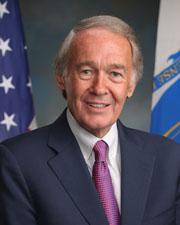 Edward J. Markey With the platform 5 commitments
 - John Deaton ✓2 32 commitments
-
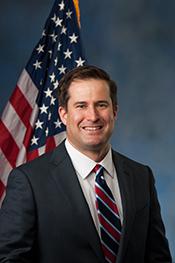 Seth Moulton Mostly aligns With the platform ✓12 71 commitments
 - Abdul El-Sayed Mostly aligns ✓28 140 commitments
- Michael J Rogers 3 commitments
-
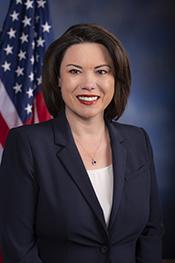 Angie Craig Mostly aligns With the platform ✓7 31 commitments
 - Scott Colom Mostly aligns ✓8 31 commitments
-
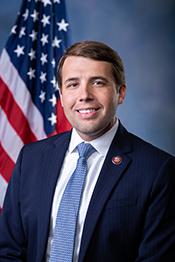 Chris Pappas Mostly aligns With the platform ✓7 25 commitments
 -
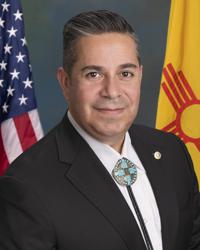 Ben Ray Luján With the platform 2 commitments
 - Sherrod Brown ✓1 5 commitments
-
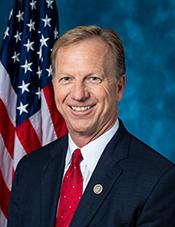 Kevin Hern Against the platform ✗2 9 commitments
 - Annie Andrews Mostly aligns ✓10 40 commitments
No candidates match those filters.
How this was built — and what it does not claim
- Roster: FEC filings establish the historical candidate roster, not current ballot eligibility; coverage is the competitive tier of the 2026 Senate map (plus a House seed), not every filer. A candidate's absence means their site had no substantive issues content at capture time or they haven't been worked yet — not an editorial judgment.
- Capture: the quoted campaign-page captures date from 2026-08-06 – 2026-08-06, hashed (SHA-256), and retained locally. Submissions to the Internet Archive's Wayback Machine were attempted, but some failed; an independent archive copy is not guaranteed for every quotation.
- Extraction: commitments were proposed by a language model and kept only if the quote exists verbatim in the stored capture — anything that failed that mechanical check was discarded. Type labels (promise = forward-looking · record = claim about past action · value = belief without a falsifiable commitment) are editorial classifications, independently audited and human-reviewed.
- Record: for sitting members, marks come from official Congress.gov cosponsor lists and House/Senate roll-call XML — the same data as the Accountability Scorecard. Candidates without current federal office show no record column: the tracker does not reconstruct past-office records.
- Alignment marks: “aligns with platform” and “conflicts with platform” are editorial assessments against the platform's published ask catalog — a mark requires a specific cited ask, the same standard applies to every party, and most commitments carry no mark because the platform takes no position on their subject. ✓/✗ counts on each row summarize these.
- No matching verdicts: promises and record rows share a pillar, nothing more. The tracker never asserts that a specific vote fulfills or breaks a specific promise, and an alignment mark is about the promise's direction — not a claim that the candidate will keep it.